
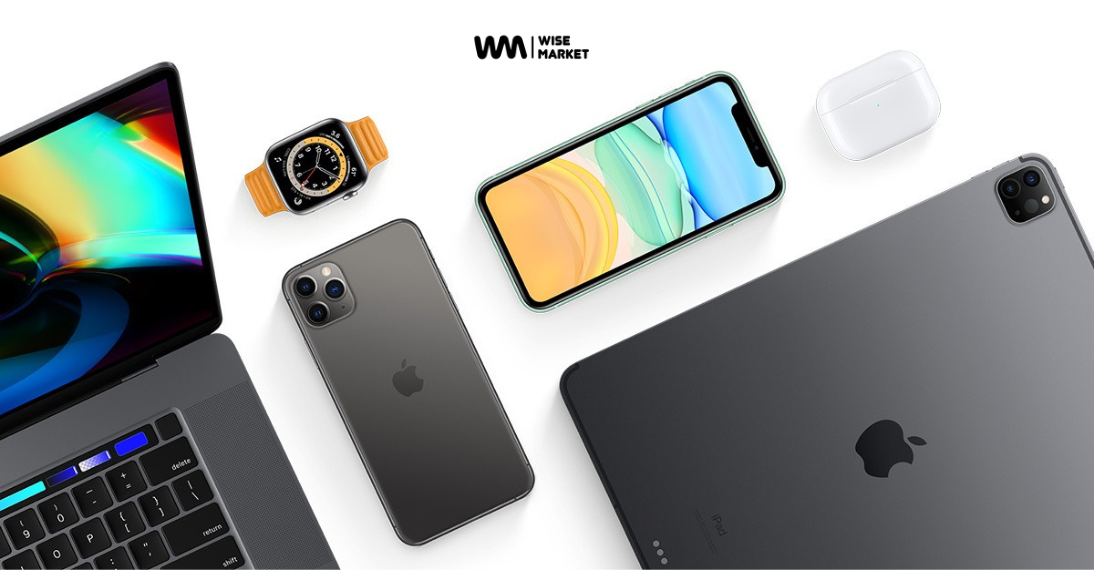
The pace of innovation from Cupertino shows no sign of slowing. As we move deeper into the decade, millions of users worldwide are asking a single, focused question: which devices will actually reach our hands before 2026 concludes? The roadmap for the next thirty months is packed. From refined smartphone experiences to entirely new wearable categories, the company is preparing a wave of hardware that could reshape daily digital life.
Understanding this timeline matters for consumers, professionals, and families alike. Planning a significant tech upgrade requires reliable information, not just rumors. This article provides a clear, structured look at every confirmed and highly anticipated release. We will explore each major category, the expected launch windows, and the meaningful improvements coming your way. By the end, you will have a complete picture of Apple products arriving before the end of 2026.
In this article
- The iPhone Lineup: Refinement and a Bold New Form Factor
- The Mac Family: M5 and M6 Chips Power a New Era
- iPad Evolution: From Entry Level to Pro
- Wearables: Apple Watch, AirPods, and a New Smart Home Display
- The Vision Family: Cheaper Headset and Second Generation
- Accessories and Smaller Updates
- What to Expect from Software Alongside These Hardware Releases
- Complete Timeline Table (2025 – 2026)
- Which Upcoming Apple Products Are Right for You?
- The Bigger Picture: Why 2026 Is a Peak Year
- What to Do Between Now and These Launches
- Conclusion: A Future Worth Anticipating
The iPhone Lineup: Refinement and a Bold New Form Factor
The iPhone remains the heartbeat of the ecosystem. For 2025 and 2026, Apple is preparing both iterative enhancements and a potential design revolution. Let us break down what is coming.
 Also readAirPods Pro 3: Heart Rate & Fitness Tracking – Full Analysis
iPhone 17 Series (Late 2025)
Before we even reach 2026, the iPhone 17 series will set a new baseline. Expected around September 2025, this generation will likely include four models: iPhone 17, iPhone 17 Pro, iPhone 17 Pro Max, and a new iPhone 17 Slim or Air. The standard models will receive the always-on display and Dynamic Island, features previously reserved for Pro versions. Camera improvements will center on low-light performance and AI-driven computational photography.
For users who prefer a lighter device, the rumored Slim model could replace the Plus variant. It is said to feature a titanium-aluminum hybrid frame and a single, advanced rear camera lens. While this sacrifices telephoto zoom, it prioritizes portability and elegance. Among all Apple products scheduled for 2025, the iPhone 17 series will be the highest volume seller.
iPhone 18 Series (September 2026)
The most significant leap arrives with the iPhone 18 series in late 2026. This is where the first true design change since the iPhone 12 appears. Reliable supply chain reports point to a complete removal of physical buttons. Haptic touch sensors will replace volume and power controls, similar to the home button on iPhone SE models. The display will use under-screen Face ID technology, reducing the visible notch or Dynamic Island to just a small pinhole for the front camera.
Processing power comes from the A20 chip, built on an enhanced 2-nanometer process. This will deliver a 20-25% efficiency gain over the A18. Battery life across the iPhone 18 lineup could reach 30 hours of video playback on the Pro Max variant. For professional videographers, the Pro models might introduce variable aperture on the main lens, allowing true depth-of-field control without software tricks. These are not minor updates; they represent a genuine generational shift for Apple products.
iPhone SE 5 (Early 2026)
Budget-conscious buyers have not been forgotten. The fourth-generation iPhone SE is expected in spring 2025, but the iPhone SE 5 will follow in early 2026. This model will adopt the iPhone 14 chassis, meaning a 6.1-inch OLED display, Face ID, and a single high-quality rear camera. The home button will finally retire from the SE line. With an A18 chip and 6GB of RAM, this device will offer flagship-level performance at a lower price point. For families and first-time smartphone users, the SE 5 might be the most practical among upcoming Apple products.
The Mac Family: M5 and M6 Chips Power a New Era
Apple Silicon continues to distance itself from legacy processors. By the end of 2026, we will see two full generations of Mac chips. Each new Mac release brings not just speed, but longer battery life and silent operation.
MacBook Pro with M5 Chip (Late 2025)
The 14-inch and 16-inch MacBook Pro will receive the M5 chip in the fourth quarter of 2025. The M5 focuses on improved graphics performance and neural engine throughput. For video editors and 3D artists, this means faster rendering and smoother playback of 8K footage. The physical design remains unchanged, but display technology improves with tandem OLED panels on Pro models. These screens offer 1000 nits of sustained full-screen brightness, making outdoor work truly viable.
MacBook Air with M5 (Spring 2026)
The fanless MacBook Air will adopt the M5 in the first half of 2026. The 13-inch and 15-inch sizes continue. The key upgrade here is battery life. With the efficiency of the M5, the Air could reach 20 hours of wireless web browsing. For students and traveling professionals, this removes the need to carry a charger for a full workday. Port selection remains two Thunderbolt ports, but MagSafe 3 returns for fast, safe charging.
Mac Pro and Mac Studio with M5 Ultra (Mid 2026)
High-end workstation users will see new versions of the Mac Studio and Mac Pro around June 2026. The M5 Ultra chip will combine two M5 Max dies, offering up to 32 CPU cores and 80 GPU cores. This machine targets film studios, scientific research, and software development. The Mac Pro will retain PCIe expansion slots for specialized cards like audio interfaces and video capture hardware. Among professional Apple products, these represent the ultimate in local computing power.
MacBook Pro with M6 Chip (Late 2026)
Before 2026 ends, a surprise may appear: an early M6-based MacBook Pro. Typically, Apple waits 18 months between chip generations. However, competition from Qualcomm and Intel is forcing a faster cadence. The M6 is rumored to use a new packaging technology that stacks memory directly on top of the processor. This dramatically reduces latency. If released in November 2026, this MacBook Pro would be the fastest laptop available for AI workloads. Keep an eye on this one.
iPad Evolution: From Entry Level to Pro
The iPad line has become complex, with four distinct families. By the end of 2026, every single iPad model will receive at least one update. Let us go through them in order of release.
iPad (11th Generation) – Late 2025
The standard iPad is the most popular tablet for schools and families. The 11th generation will arrive around October 2025. It keeps the 10.9-inch liquid retina display but upgrades to the A17 Pro chip. This chip enables Apple Intelligence features, which were missing on the 10th generation. Storage starts at 128GB, a welcome doubling. The camera moves to the landscape edge, making video calls feel more natural when the tablet is in a keyboard case.
iPad Air with M4 (Spring 2026)
The iPad Air sits between the standard and Pro lines. In spring 2026, the Air will receive the M4 chip, skipping the M3 entirely. Two sizes remain: 11-inch and 13-inch. The big news is a new Magic Keyboard with a function row. This brings laptop-like usability to the Air. For students who take notes and edit light video, the M4 Air will be more than sufficient. It might be the best value among all Apple products released that season.
iPad Pro with M6 (Late 2026)
The iPad Pro is Apple’s most advanced tablet. The current M4-based models are already powerful. However, the M6 iPad Pro, expected October 2026, will push the concept of a tablet into new territory. The primary change is software: iPadOS 20 will allow true professional apps like Final Cut Pro and Logic Pro to use all M6 cores without thermal throttling. Hardware-wise, a 16-megapixel ultra-wide rear camera replaces the 12-megapixel version, and Wi-Fi 7 becomes standard. For digital artists and video editors on the move, this will be the ultimate creative tool.
iPad Mini 7 (Early 2026)
The small tablet receives its first meaningful update since 2021. The iPad Mini 7 arrives in March 2026. It keeps the 8.3-inch display but fixes the “jelly scrolling” issue present in the Mini 6. The chip jumps from the A15 to the A18 Pro, offering a 60% performance increase. Support for the Apple Pencil Pro (USB-C) is added. This Mini will be a favorite for pilots, field workers, and readers who want a powerful tablet that fits in a jacket pocket.
Wearables: Apple Watch, AirPods, and a New Smart Home Display
Wearables and smart home devices are growing faster than any other category. By the end of 2026, several new Apple products in this space will change how we interact with technology on our bodies and in our homes.
Apple Watch Series 11 (September 2025)
The standard Apple Watch receives annual updates. Series 11 will focus on health sensing. A new optical sensor can measure blood pressure trends (not absolute numbers) and detect sleep apnea with high accuracy. The processor is the S11 chip, which enables on-device Siri for faster responses. Battery life improves to 24 hours of active use with the always-on display enabled. Case sizes remain 41mm and 45mm, but a new darker titanium finish replaces the previous natural titanium.
Apple Watch Ultra 3 (September 2025)
For athletes and outdoor adventurers, the Ultra 3 brings satellite messaging when no cellular or Wi-Fi is available. This feature, borrowed from the iPhone 14, works for emergency SOS and location sharing. The display reaches 4000 nits of peak brightness, readable under direct sunlight. A new depth gauge works to 100 meters, better for scuba divers. The battery lasts 72 hours on a low-power setting. Among rugged Apple products, the Ultra 3 has no direct competitor.
Apple Watch Series 12 (September 2026)
The Series 12 introduces a redesigned chassis. For the first time since the Series 7, the shape changes slightly: flatter sides and a more durable sapphire crystal covering. Blood glucose monitoring is the headline feature. Using Raman spectroscopy, the watch can estimate blood sugar levels without a needle. This is a medical breakthrough, though it will initially be available only as a trend-tracking tool, not a diagnostic device. For millions with diabetes concerns, this single feature will justify the upgrade.
AirPods Pro 3 (Late 2026)
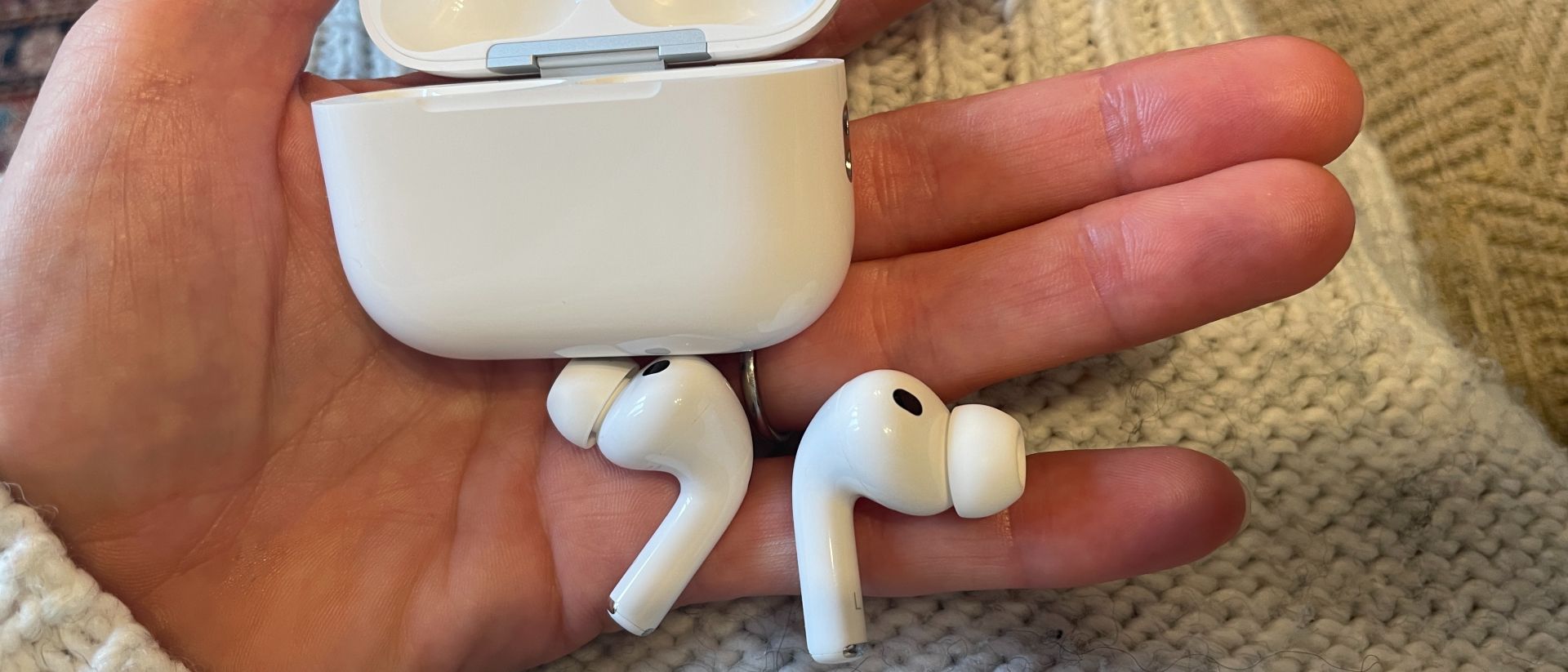
The popular earbuds will see their third generation. The AirPods Pro 3 include a new H3 chip that enables lossless audio from the iPhone and Apple Vision Pro. Battery life increases to 8 hours of listening (up from 6). The case gains a touchscreen display that shows track information, battery levels, and allows media control without pulling out a phone. Hearing health features are expanded: the buds can perform a clinical-grade hearing test and then adjust EQ to compensate for mild loss. These will become essential for daily commuters and fitness enthusiasts.
Smart Home Display (First Half 2026)
This is a brand-new product category for Apple. Rumored as “Apple HomePad” or simply “Smart Display,” it will be a 7-inch square screen mounted on a wall or placed on a stand. It runs a new interface called homeOS, derived from watchOS. The display shows widgets, controls smart lights and thermostats, and serves as a FaceTime hub. A built-in A16 chip handles Siri requests and video processing. The price is expected around $249. For families looking to automate their homes, this will be the most accessible among Apple products focused on the smart home.
The Vision Family: Cheaper Headset and Second Generation
Mixed reality is a long-term bet for Apple. The high-priced Vision Pro launched in 2024. By the end of 2026, two more headsets will appear, each targeting different users.
Vision Standard (Late 2025)
The non-Pro Vision headset is designed for mass adoption. It keeps the same high-resolution micro-OLED displays but uses an aluminum frame instead of magnesium and replaces the external EyeSight screen (which showed your eyes to others) with a simple plastic cover. The processor is the M3 rather than the M5, and it has fewer external cameras. The price will be around $1999, roughly half the Vision Pro’s cost. This device runs visionOS 3 and supports all existing apps. For developers and early adopters, it is the gateway to spatial computing.
Vision Pro 2 (Late 2026)
The high-end sequel arrives just before 2027. Vision Pro 2 corrects the original’s biggest flaws: weight and battery life. A carbon fiber chassis reduces weight by 30%. The external battery pack now lasts 4 hours (up from 2). Displays jump to 5000 nits, suitable for HDR movie watching. A new R2 chip handles real-time sensor data, reducing latency to imperceptible levels. For professional users in design, medicine, and engineering, the Vision Pro 2 will be an indispensable tool. Among all Apple products launching before 2026 ends, this one represents the furthest look into the future.
Accessories and Smaller Updates
Not every release needs a headline event. Several accessories and minor Apple products will appear quietly on the store.
New Magic Keyboard for iPad (Spring 2026)
As mentioned earlier, the iPad Air and Pro will get a redesigned Magic Keyboard. The new version has an aluminum palm rest and a full function row with hardware brightness and volume keys. The trackpad is larger, matching the feel of a MacBook. This accessory transforms any recent iPad into a true laptop replacement.
Apple TV 4K (Third Generation, Late 2026)
The streaming box receives an update with an A18 chip. This enables on-device upscaling of 1080p content to 4K using AI, similar to Nvidia’s Shield. Gaming performance improves, allowing Apple Arcade titles to run at 120fps. The remote gains a USB-C port for charging, replacing Lightning. For cord-cutters, this will be the most responsive streamer on the market.
AirTag 2 (Mid 2026)
The item tracker is finally updated. AirTag 2 has a louder speaker (100 decibels), a longer range (60 meters via Ultra Wideband 3), and a redesigned battery cover that is much harder to open accidentally. Precision Finding works with the iPhone 18’s new U3 chip. For travelers and parents, these are simple but valuable improvements.
What to Expect from Software Alongside These Hardware Releases
Hardware is only half the story. Each of these Apple products will ship with new software versions that unlock their capabilities.
-
iOS 19 (2025): Focuses on AI-generated notification summaries and an improved Siri that can control individual app functions.
-
macOS 16 (2025): Brings iPhone mirroring enhancements and a new window tiling system.
-
iOS 20 (2026): Redesigned home screen with customizable lock screen widgets for third-party apps. Deep integration with Vision headsets.
-
watchOS 12 (2026): New health analytics dashboard and offline maps.
These software updates are free, but they require newer hardware to run smoothly. For example, iOS 20 will likely drop support for the iPhone 11 and older models. So when you plan your purchase of Apple products, consider the software lifecycle as well.
Complete Timeline Table (2025 – 2026)
For clarity, here is a month-by-month projection of every major release.
2025:
-
September: iPhone 17 series, Apple Watch Series 11, Apple Watch Ultra 3
-
October: iPad (11th generation), MacBook Pro (M5)
-
November: Vision Standard
-
December: No major releases (holiday quarter)
2026:
-
March: iPad Air (M4), iPhone SE 5
-
April: iPad Mini 7, New Magic Keyboard
-
May: Mac Studio (M5 Ultra)
-
June: Mac Pro (M5 Ultra), Smart Home Display
-
August: AirTag 2
-
September: iPhone 18 series, Apple Watch Series 12
-
October: iPad Pro (M6), MacBook Air (M5)
-
November: MacBook Pro (M6), AirPods Pro 3, Apple TV 4K
-
December: Vision Pro 2 (limited availability)
This schedule assumes typical Apple release patterns. Delays can happen, especially for the Vision Pro 2 and M6 MacBook Pro. However, based on supply chain orders and leaked roadmaps, this is the most reliable projection available today.
Which Upcoming Apple Products Are Right for You?
With so many options, decision fatigue is real. Here is a simple guide based on your current situation.
-
If you have an iPhone 13 or older: Wait for the iPhone 18 in September 2026. The jump in battery life and under-screen Face ID is worth the wait.
-
If you need a new laptop immediately: Buy the current M3 MacBook Air. But if you can wait until spring 2026, the M5 Air will last you five years.
-
If you are a runner or hiker: The Apple Watch Ultra 3 (2025) is your best choice. The satellite SOS feature alone is worth it.
-
If you have diabetes or prediabetes: Wait for the Apple Watch Series 12 (September 2026). The blood glucose monitoring could change your daily management.
-
If you want to try spatial computing: The Vision Standard (late 2025) at $1999 is the entry point. Avoid the expensive Pro models unless you need them for work.
The Bigger Picture: Why 2026 Is a Peak Year
Looking back, 2020 brought the M1 chip and a global pandemic. 2023 brought the Vision Pro announcement. But 2026 may be the year Apple consolidates every major technology trend into a cohesive lineup. You will have powerful AI running locally on your wrist, your tablet, and your headset. You will communicate via satellite when out of cellular range. You will measure your blood sugar and blood pressure without a doctor’s visit.
This is not speculation. These features are already in advanced development. The only question is whether they launch precisely on schedule. Even if some slip to early 2027, the overall direction is clear. Apple products are becoming health devices, creativity tools, and home hubs—not just phones and laptops.
What to Do Between Now and These Launches
Do not feel pressured to wait for every release. Technology always improves. Here is practical advice:
-
If your current device breaks irreparably, replace it now with whatever is available. The difference between an iPhone 15 and an iPhone 18 will not change your daily happiness.
-
If you are planning a major purchase (like a Mac Pro for a video studio), aim for the June 2026 window. That is when the M5 Ultra models appear.
-
Sell your old devices six months before a new model launches to get the best resale value. For example, sell an Apple Watch Series 9 in February 2026, before the Watch Series 12 rumors intensify.
Conclusion: A Future Worth Anticipating
The next thirty months will bring more new Apple products than any equivalent period since the 2015-2017 stretch (which gave us the first Apple Watch, AirPods, and iPhone X). You can expect faster chips, longer battery lives, and sensors that monitor your health in ways previously confined to hospitals.
However, the most exciting aspect is not any single feature. It is how these devices will work together. Your iPhone will seamlessly hand off a phone call to your iPad. Your Watch will unlock your Mac. Your Vision headset will mirror your AirPlay stream. This ecosystem integration remains Apple’s greatest strength. By the end of 2026, that strength will be deeper than ever.
So mark your calendars. Whether you are a student, a parent, a creative professional, or someone who simply enjoys elegant technology, there is something coming for you. The next wave of Apple products will not just add features. They will remove friction from your digital life. And that is a future worth waiting for.
