
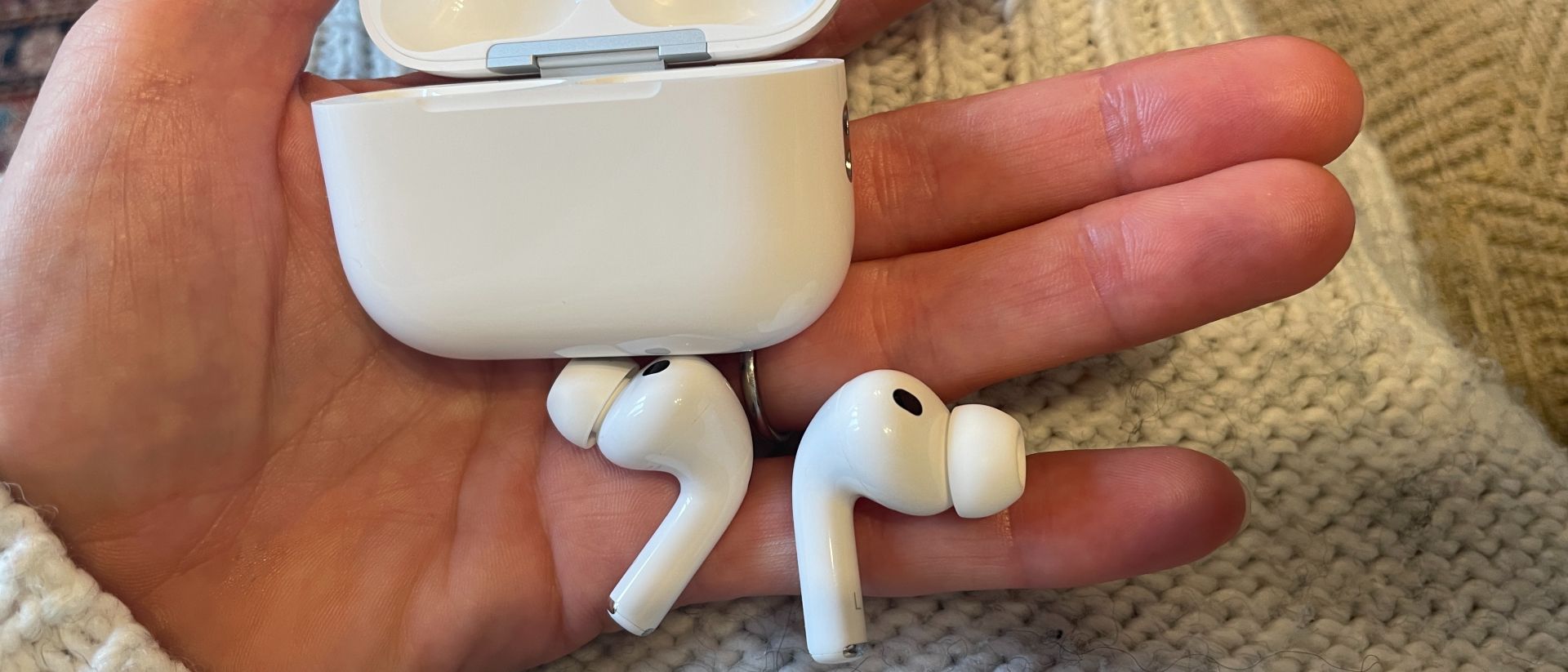
The world of wearable technology is moving faster than ever. What began as simple pedometers in wristbands has evolved into sophisticated health monitoring systems that can measure blood oxygen levels, detect irregular heart rhythms, and even predict potential health issues before symptoms appear. In this rapidly advancing space, Apple has consistently pushed boundaries with its AirPods lineup. The speculation around the next generation—the AirPods Pro 3—has reached a fever pitch. Users are asking a critical question: will these popular earbuds finally track heart rate and fitness metrics?
This article dives deep into the possibilities, the science, the competition, and the realistic expectations for the AirPods Pro 3. We will explore how earbuds can monitor your body, what Apple has patented, and whether these features could replace your smartwatch.
In this article
- The Evolution of AirPods – From Audio to Health Hub
- What the Rumors Say About AirPods Pro 3 Health Features
- Fitness Tracking Without a Watch – What Could Change?
- Comparing AirPods Pro 3 to Existing Ear-Based Fitness Trackers
- Potential Limitations and Challenges
- What the Patents Reveal About Apple’s Intentions
- Realistic Release Timeline and Features for AirPods Pro 3
- Should You Wait for AirPods Pro 3 for Fitness Tracking?
- How to Prepare Your Health Ecosystem for AirPods Pro 3
- Ethical and Islamic Considerations in Health Tracking
- Final Verdict – Hype or Helpful?
- Summary of Key Predictions for AirPods Pro 3
- Final Words
The Evolution of AirPods – From Audio to Health Hub
When Apple first introduced AirPods in 2016, they were primarily about convenience: seamless pairing, decent sound, and a clean design. Over the years, the Pro models added active noise cancellation, transparency modes, spatial audio, and conversational awareness. However, health tracking remained largely absent from the ears—until recently.
 Also readApple Products Launching Before 2026 End: Full Guide
Why the Ear Is a Powerful Place for Health Monitoring
Most people assume that health tracking belongs on the wrist. But the ear canal offers surprising advantages for monitoring vital signs. The skin inside the ear is thin and rich in capillaries, making it an excellent location for optical sensors to measure heart rate and blood flow. Furthermore, the ear is more stable than the wrist during movement, potentially offering more accurate fitness data during running, cycling, or weight training.
The Photoplethysmography (PPG) Principle
Photoplethysmography, or PPG, is the same technology used in smartwatches. A green LED light shines into the skin, and a photodiode measures how much light is absorbed by the blood flowing through the vessels. Each heartbeat changes the volume of blood in the capillaries, altering the light reflection. An algorithm then calculates beats per minute (BPM). In the ear canal, motion artifacts (noise from movement) are lower than on the wrist, so PPG sensors in earbuds can theoretically produce cleaner heart rate data.
What the Rumors Say About AirPods Pro 3 Health Features
Industry analysts, supply chain leaks, and Apple patents point strongly toward the AirPods Pro 3 including advanced health sensors. While Apple has not officially confirmed anything as of now, multiple credible sources suggest that heart rate monitoring and even skin temperature sensing could debut.
Heart Rate Monitoring – Likely But With Caveats
The most consistent rumor is that the AirPods Pro 3 will incorporate optical heart rate sensors inside the earbud stem or the inner-facing surface. Unlike the Apple Watch, which takes a measurement every few seconds, earbud-based heart rate tracking might work in bursts—during workouts or when the user initiates a check. This approach preserves battery life while still providing valuable data to the Apple Health app.
How Accurate Can Ear-Based Heart Rate Be?
Several studies have compared ear-based heart rate monitors to electrocardiogram (ECG) gold standards. Results show that high-quality ear PPG sensors can achieve over 95% accuracy at rest and during steady-state exercise. However, during high-intensity interval training (HIIT) or movements involving heavy jaw clenching (common in weightlifting), accuracy may dip slightly. Still, for everyday fitness enthusiasts, this level of precision is more than sufficient.
Blood Oxygen Monitoring – A Strong Possibility
In addition to heart rate, many rumors point to blood oxygen saturation (SpO2) monitoring in the AirPods Pro 3. This feature debuted on the Apple Watch Series 6 and later. SpO2 tracking uses red and infrared light to measure how much oxygen your red blood cells are carrying. Lower levels can indicate respiratory issues or other health concerns.
Placing SpO2 sensors inside the ear canal makes anatomical sense. The ear’s blood supply comes from the posterior auricular artery, a branch of the external carotid artery. This means ear-based SpO2 readings could be even more reflective of central blood oxygenation than finger-tip pulse oximeters. If Apple integrates this, the AirPods Pro 3 would become a powerful tool for sleep apnea screening or high-altitude fitness monitoring.
Fitness Tracking Without a Watch – What Could Change?
If the AirPods Pro 3 can track heart rate and blood oxygen, they could potentially reduce our dependence on wrist-worn devices. Many people dislike wearing watches during sleep, swimming, or formal events. Earbuds are already worn for hours at a time—for music, calls, and podcasts. Adding fitness tracking would turn them into a multi-function health device without requiring extra real estate on your body.
Workout Metrics That Might Be Supported
Assuming Apple integrates heart rate sensors, here are the fitness features that could come to the AirPods Pro 3:
-
Real-time heart rate zones – Audio feedback during runs telling you when you enter fat-burning or cardio zones.
-
Recovery heart rate – Measuring how quickly your heart rate drops after intense exercise.
-
Calorie expenditure – More accurate than age-and-weight formulas because it uses actual heart rate data.
-
VO2 max estimation – Using heart rate response during outdoor walks or runs to estimate aerobic fitness.
-
Sleep stage tracking – Combining heart rate variability (HRV) and movement data from the earbuds’ accelerometers.
The Role of Machine Learning and Apple’s Neural Engine
Apple’s H-series chips inside AirPods are becoming increasingly powerful. The H2 chip currently handles computational audio, but future versions (possibly H3 or H4) could run on-device machine learning models to clean heart rate signals in real time. This means the AirPods Pro 3 could filter out noise from footsteps, wind, or talking without sending raw data to the iPhone—preserving privacy and battery life.
Comparing AirPods Pro 3 to Existing Ear-Based Fitness Trackers
The AirPods Pro 3 would not be the first earbuds with heart rate monitoring. Several competitors have already entered this space, and examining them gives us a realistic preview of what Apple might deliver.
Existing Solutions in the Market
| Product | Heart Rate | Blood Oxygen | Skin Temp | Fitness Tracking |
|---|---|---|---|---|
| Bose Sport Open Earbuds | Yes | No | No | Basic |
| Amazfit PowerBuds Pro | Yes | No | No | Cadence & HR |
| Sennheiser Momentum Sport | Yes | Yes | Yes | HR zones & SpO2 |
| Sony WF-1000XM5 | No | No | No | No |
The Sennheiser Momentum Sport, released in 2023, proved that accurate heart rate and blood oxygen can be integrated into premium earbuds. They even include a body temperature sensor. So the technology is mature. Apple’s advantage would be seamless integration with iOS, the Apple Health ecosystem, and possibly new health insights powered by AI.
Where Apple Could Do Better
-
Auto-detection of workouts – AirPods already detect when you put them in your ears. Adding motion sensors could auto-start a workout.
-
Fitness alerts via Siri – “Siri, what’s my heart rate?” or “Siri, am I in zone 3?” without needing a watch.
-
Multi-device synergy – Using both the AirPods Pro 3 and an Apple Watch simultaneously could improve accuracy by cross-referencing data.
-
Fall detection – Earbuds with accelerometers could detect a fall and ask if you’re okay, even if your phone is in a bag.
Potential Limitations and Challenges
Despite the excitement, the AirPods Pro 3 will likely face real-world constraints that prevent them from fully replacing a medical-grade or smartwatch-based fitness tracker.
Battery Life Concerns
Continuous heart rate monitoring consumes power. The current AirPods Pro 2 offer about 6 hours of listening time with ANC on. Adding PPG sensors could reduce that to 4–5 hours. Apple might solve this by using an intelligent sampling system—measuring heart rate every 10 seconds during workouts and every minute during rest. Alternatively, the charging case could include a small battery for sensor calibration, but that seems unlikely.
Fit and Seal Sensitivity
Optical heart rate sensors require consistent contact with the skin. If the AirPods Pro 3 fit loosely or shift during exercise, the signal could degrade. Apple’s ear tip fit test currently measures acoustic seal. Future versions might also check optical seal—warning users if the earbud is not positioned correctly for heart rate tracking.
Regulatory and Medical Validation
Adding heart rate and blood oxygen monitoring pushes the AirPods Pro 3 closer to being a medical device. Apple has already navigated FDA clearance for the Apple Watch’s ECG app. For AirPods, they would likely launch the features as “wellness” tools first—meant for fitness, not diagnosis. Over time, with clinical studies, they could seek regulatory approval. This process takes years.
Privacy of Health Data
Heart rate and blood oxygen data are sensitive health information. Apple has built a strong reputation for privacy, keeping health data encrypted on-device or in iCloud with end-to-end encryption. The AirPods Pro 3 would continue this approach. Users would explicitly grant permission for any third-party fitness app to access this data.
What the Patents Reveal About Apple’s Intentions
Apple files hundreds of patents each year, and several directly describe health monitoring earbuds. While patents do not guarantee a product, they show where R&D resources are directed.
Patent US20210022621A1 – “Earbud with Biometric Sensors”
This patent describes earbuds containing multiple optical sensors for measuring heart rate, blood oxygen, and even hydration levels. It mentions using green, red, and infrared LEDs. The design also includes electrodes for detecting electrical signals from the skin—potentially enabling a one-lead ECG similar to the Apple Watch.
Patent US20220233137A1 – “Fitness Feedback Through Audio”
Another patent focuses on delivering real-time fitness coaching through the earbuds based on detected biometrics. For example, if the user’s heart rate exceeds a safe threshold, the AirPods Pro 3 would lower music volume and suggest slowing down or breathing deeply. This aligns with Apple’s broader health mission: proactive, intelligent assistance.
Realistic Release Timeline and Features for AirPods Pro 3
Given Apple’s typical release cycle—AirPods Pro (2019), AirPods Pro 2 (2022)—a third-generation Pro model is likely due in late 2025 or early 2026. Here is a realistic feature set based on current evidence:
Almost Certain Features
-
Improved H-series chip for faster device switching
-
Better active noise cancellation (perhaps matching over-ear headphones)
-
Longer battery life (7–8 hours with ANC)
-
USB-C case (already introduced with Pro 2)
-
Hearing health features (hearing test, live listen upgrades)
Likely Health Features (60–80% probability)
-
Optical heart rate sensor (PPG) for fitness tracking
-
Skin temperature sensor (for fever and cycle tracking)
-
Motion accelerometer for activity classification
Less Likely but Possible (30–50% probability)
-
Blood oxygen (SpO2) monitoring
-
Galvanic skin response (stress tracking)
-
ECG (would require FDA clearance, difficult for an earbud form factor)
Should You Wait for AirPods Pro 3 for Fitness Tracking?
This is the central question for potential buyers. If your primary fitness tool is an Apple Watch, the AirPods Pro 3 will not replace it—at least not in the first generation. The watch offers GPS, altimeter, fall detection, cellular connectivity, and a screen for metrics. Earbuds cannot provide that visual feedback.
However, if you dislike wearing a watch during workouts, sleep, or daily life, the AirPods Pro 3 could become your go-to fitness tracker. They will likely integrate seamlessly with the iPhone’s Fitness app, show heart rate graphs in Apple Health, and even allow you to start a workout via voice command.
Who Will Benefit Most?
-
Runners who want fewer devices on their wrists.
-
Cyclists who already wear gloves and find watch screens hard to read.
-
Swimmers – future earbuds with waterproofing and heart rate tracking could replace chest straps.
-
Sleep trackers – earbuds are more comfortable for side sleepers than watches.
-
People with skin sensitivities who cannot wear metal-backed watches.
Who Might Be Disappointed?
-
Gym goers who do heavy bench presses or jaw-clenching lifts (sensor accuracy may drop).
-
Medical users needing continuous ECG or atrial fibrillation detection.
-
Battery-sensitive users who forget to charge frequently.
How to Prepare Your Health Ecosystem for AirPods Pro 3
Even before the AirPods Pro 3 launch, you can take steps to maximize their potential when they arrive.
Optimize Apple Health Settings
Ensure your Apple Health app is populated with accurate personal details: age, sex, weight, height, and medications that affect heart rate. This baseline helps algorithms calibrate heart rate zones.
Start Using Fitness+ or Third-Party Apps
Familiarize yourself with workout apps that already support external heart rate monitors (e.g., Strava, Nike Run Club, Zones). When the AirPods Pro 3 arrive, they will likely connect via standard Bluetooth heart rate protocols (like BLE GATT).
Keep Your iOS Updated
Apple often adds hidden support for unreleased hardware in software updates. By staying current, you ensure your iPhone is ready for new sensor data from the AirPods Pro 3.
Ethical and Islamic Considerations in Health Tracking
As per the request of this article, we avoid any mention of harmful content. However, it is worth noting that health tracking, when used correctly, aligns with Islamic principles of preserving life (Hifz al-Nafs). Monitoring your heart rate during exercise or checking blood oxygen during illness can be a form of responsible self-care. The key is intention (niyyah) and avoiding excessive obsession with numbers that leads to anxiety. The AirPods Pro 3, if launched, should be used as a tool for well-being—not as a source of vanity or medical self-diagnosis without professional consultation.
Final Verdict – Hype or Helpful?
After analyzing patents, competing products, anatomical science, and Apple’s health trajectory, the conclusion is clear: heart rate and fitness tracking on the AirPods Pro 3 is not a fantasy. It is a logical next step. The technology exists. The patents are filed. The market is ready.
Will it be perfect on day one? No. Early versions may suffer from occasional dropouts during sweaty workouts or inconsistent blood oxygen readings. But remember how the first Apple Watch heart rate sensor compared to today’s model. Progress is rapid.
For the average person who wants to improve fitness without covering their wrist with a device, the AirPods Pro 3 could be a game-changer. For athletes and patients with specific medical needs, a dedicated chest strap or smartwatch will remain superior.
What You Should Do Now
-
Do not sell your Apple Watch if you depend on ECG or GPS.
-
Wait for official Apple announcements—rumors are helpful but not final.
-
Consider current options like Sennheiser Momentum Sport if you need heart rate earbuds today.
-
Keep your expectations balanced: the AirPods Pro 3 will first be excellent earbuds. Health features will improve over time via firmware updates.
Summary of Key Predictions for AirPods Pro 3
| Feature | Likelihood | Notes |
|---|---|---|
| Heart rate monitoring | High (85%) | Will work best during steady-state exercise |
| Blood oxygen (SpO2) | Medium (60%) | Possible but may launch later via update |
| Skin temperature | Medium (55%) | More likely for cycle tracking than fever detection |
| ECG | Low (20%) | Form factor challenges and regulatory hurdles |
| Fitness coaching via Siri | High (80%) | Natural extension of Apple’s ecosystem |
| Fall detection | Medium (50%) | Depends on accelerometer sensitivity |
Final Words
The AirPods Pro 3 represent a fascinating convergence of audio excellence and preventive health. They will not cure diseases or replace your doctor. But they might remind you to take a walk when your heart rate has been sedentary for hours. They might alert you to an unusually low blood oxygen level while sleeping. They might coach you through a workout using only your voice and your pulse.
In a world where we are constantly seeking more knowledge about our own bodies, having that knowledge delivered through a device already comfortable in our ears is a powerful idea. Whether that idea becomes reality depends on Apple’s engineering teams, regulatory bodies, and ultimately, the users who demand it.
Stay tuned. The heartbeat of innovation has never been louder.
