
In this article
- Introduction
- Understanding China’s AI Rise
- China’s AI Competition and Global Innovation Pressure
- Impact on Key Global Industries
- Global Talent Competition in AI
- Influence on Global Technology Policies
- AI and Geopolitical Dynamics
- The Role of Chinese Tech Giants
- Challenges and Concerns
- Future Trends Shaped by China’s AI Competition
- Conclusion
Introduction
Artificial Intelligence (AI) has become one of the most powerful forces shaping the modern world. From healthcare to finance, education to manufacturing, AI is redefining how industries operate and how societies function. At the center of this technological revolution lies a major global player: China. Over the past decade, China has made extraordinary progress in AI development, positioning itself as a leading competitor in the global technology race.
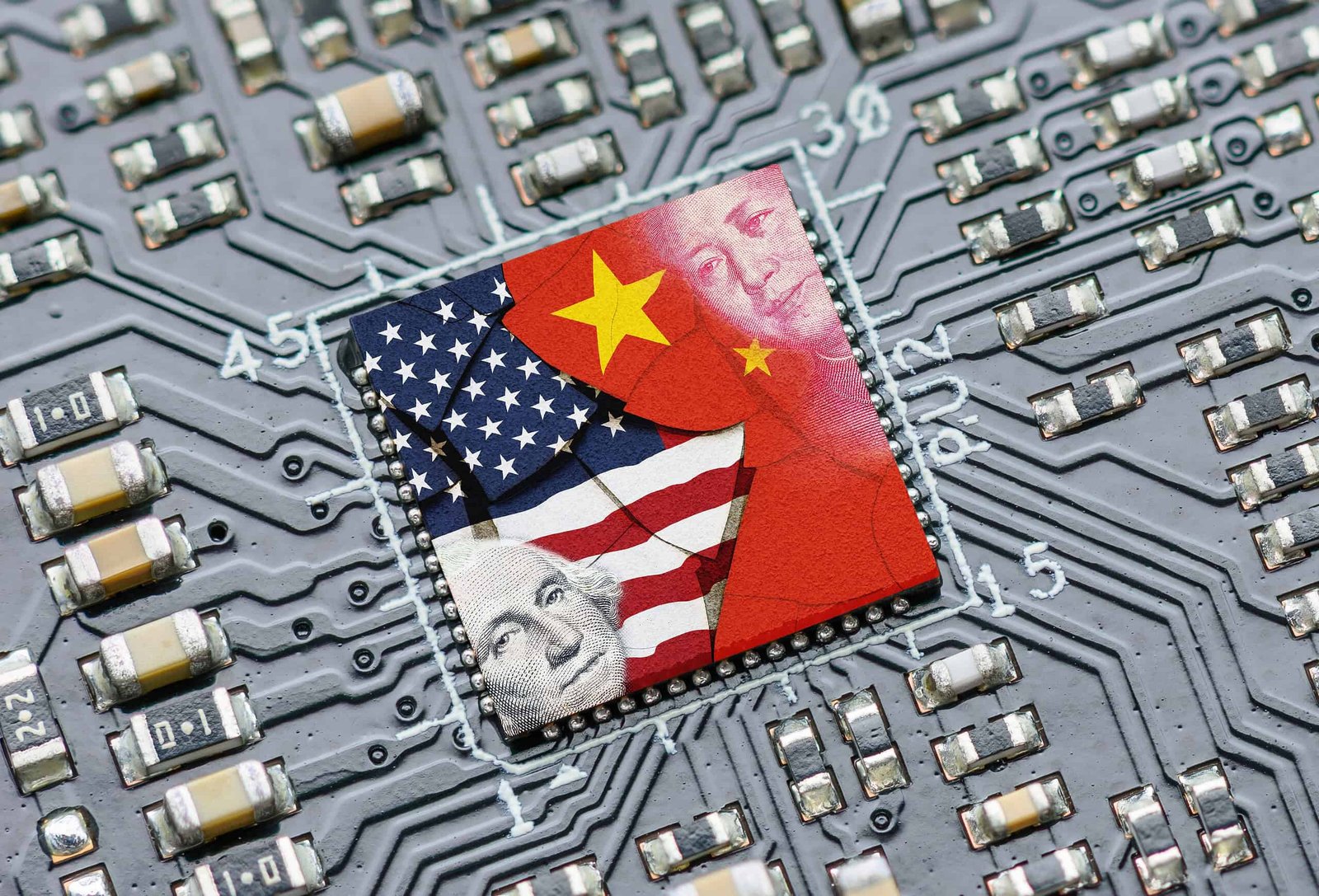
China’s AI Competition is not just about technological advancement—it is about influence, economic strength, and leadership in the future digital world. As China accelerates its efforts, the ripple effects are being felt across continents, pushing other nations and companies to innovate faster, rethink strategies, and invest heavily in AI-driven solutions.
This article explores how China’s growing AI ambitions are shaping global technology trends, influencing industries, and redefining the competitive landscape of innovation. Read expert insights on global tech trends at Forbes Technology
 Also readWhat Should You Consider Before Starting a Home Remodeling Project?
Understanding China’s AI Rise
Government-Driven Strategy
China’s rise in AI is deeply rooted in its strong national strategy. The government has prioritized artificial intelligence as a key pillar for future growth. With long-term plans, funding initiatives, and policy support, China has created an environment where AI innovation thrives.
The country’s national AI development plan outlines ambitious goals to become a global leader in AI by 2030. This includes advancements in machine learning, robotics, natural language processing, and smart infrastructure.
Massive Data Advantage
One of China’s biggest strengths is its access to vast amounts of data. With a population of over a billion people and widespread digital adoption, Chinese companies can collect and analyze data at an unmatched scale. This data fuels AI systems, making them smarter, faster, and more efficient.
Thriving Tech Ecosystem
China’s technology ecosystem is filled with innovative startups and large tech giants. These companies are investing heavily in AI research and development, creating cutting-edge applications that compete on a global level.
China’s AI Competition and Global Innovation Pressure
Accelerating Global R&D Investments
As China advances in AI, other countries are increasing their research and development spending to remain competitive. The United States, Europe, and emerging economies are investing billions into AI technologies, creating a global innovation race.
This competition has led to:
- Faster development cycles
- Increased collaboration between academia and industry
- Expansion of AI-focused education and training programs
Raising the Bar for Technological Standards
China’s progress is pushing global companies to improve their standards. Businesses worldwide are now focusing on:
- Advanced automation
- AI-powered analytics
- Smart decision-making systems
The influence of China’s AI Competition is evident in how quickly global companies are adapting to new technologies.
Impact on Key Global Industries
1. Manufacturing and Automation
China has integrated AI into its manufacturing sector, leading to the rise of smart factories. These facilities use AI for predictive maintenance, quality control, and supply chain optimization.
Globally, manufacturers are adopting similar technologies to stay competitive. This shift is resulting in:
- Increased efficiency
- Reduced operational costs
- Improved product quality
2. Healthcare Innovation
AI in healthcare is transforming diagnosis, treatment, and patient care. China’s advancements in medical AI are influencing global trends such as:
- AI-assisted diagnostics
- Personalized treatment plans
- Remote healthcare services
Healthcare providers worldwide are now investing in AI to improve outcomes and reduce costs.
3. Financial Technology (FinTech)
China’s fintech sector has embraced AI for fraud detection, credit scoring, and customer service. These innovations are setting new benchmarks globally.
Financial institutions around the world are adopting AI-driven solutions to:
- Enhance security
- Improve customer experience
- Optimize financial operations
4. Smart Cities and Infrastructure
China is leading in the development of smart cities powered by AI. These cities use intelligent systems for traffic management, energy efficiency, and public safety.
Other countries are now following this model, integrating AI into urban planning and infrastructure development.
Global Talent Competition in AI
Demand for Skilled Professionals
The rise of AI has created a massive demand for skilled professionals. Countries are competing to attract top talent in fields such as:
- Machine learning
- Data science
- Robotics
- Software engineering
China has invested heavily in education and training, producing a large pool of AI experts.
Brain Circulation and Collaboration
The global nature of AI development has led to increased collaboration between countries. Researchers and engineers often work across borders, sharing knowledge and expertise.
However, competition for talent remains intense, with companies offering attractive opportunities to secure the best minds.
Influence on Global Technology Policies
Data Governance and Privacy
China’s approach to data usage has sparked global discussions on privacy and regulation. Different regions are adopting their own policies to balance innovation with user protection.
Ethical AI Development
As AI becomes more powerful, ethical considerations are gaining importance. Issues such as bias, transparency, and accountability are being addressed worldwide.
The rise of China’s AI Competition has accelerated these discussions, encouraging countries to establish clear guidelines for AI development. Learn more about artificial intelligence on Wikipedia’s Artificial Intelligence page
AI and Geopolitical Dynamics
Technology as a Strategic Asset
AI is no longer just a technological tool—it is a strategic asset that influences global power dynamics. Countries are recognizing the importance of AI in national security, economic growth, and international influence.
Digital Sovereignty
Nations are focusing on building their own AI capabilities to reduce dependence on external technologies. This trend is leading to:
- Increased local innovation
- Strengthened digital independence
- Regional technology ecosystems
The Role of Chinese Tech Giants
China’s major technology companies are playing a crucial role in advancing AI. These companies are investing in research, developing innovative products, and expanding their global presence.
Their contributions include:
- AI-powered platforms
- Advanced cloud computing services
- Intelligent consumer applications
These innovations are influencing global markets and setting new benchmarks for performance and scalability.
Challenges and Concerns
Global Competition Tensions
While competition drives innovation, it can also lead to tensions between countries. Trade restrictions, technology bans, and policy differences can impact global collaboration.
Ethical and Social Impacts
AI raises important questions about employment, privacy, and societal impact. Automation may replace certain jobs, requiring workers to adapt and learn new skills.
Technological Inequality
Not all countries have the resources to compete in AI development. This can create a gap between technologically advanced nations and those still developing their capabilities.
Future Trends Shaped by China’s AI Competition
1. Rapid AI Adoption Across Industries
AI will continue to expand into new sectors, transforming how businesses operate and deliver services.
2. Increased Global Collaboration
Despite competition, collaboration will remain essential for solving complex challenges and advancing AI research.
3. Innovation in Emerging Technologies
AI will drive innovation in areas such as:
- Autonomous vehicles
- Smart robotics
- Advanced data analytics
- Internet of Things (IoT)
4. Focus on Sustainable Development
AI will play a key role in addressing global challenges such as climate change, resource management, and environmental sustainability.
Conclusion
The rise of China as a major force in artificial intelligence is reshaping the global technology landscape. China’s AI Competition is driving innovation, accelerating development, and influencing industries worldwide. As countries and companies respond to this growing competition, the pace of technological advancement continues to increase. Explore books on AI innovations through Amazon’s AI Technology section
While challenges and concerns remain, the overall impact of this competition is pushing the world toward a more advanced and interconnected future. The influence of China’s AI Competition will continue to shape global trends, redefine industries, and determine the direction of technological progress in the years to come.
