
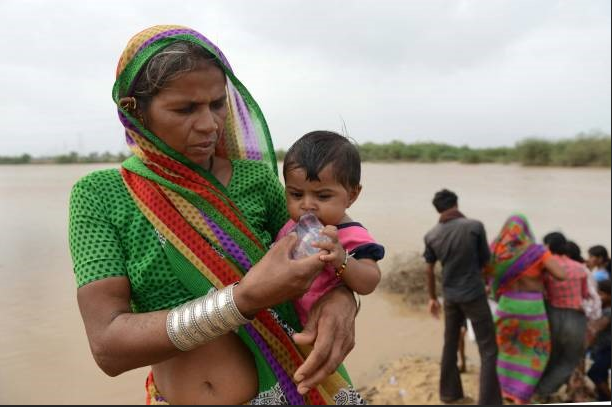
Water is part of nearly every daily routine, yet its importance often becomes clear only when access is limited. For mothers and newborns, even small disruptions can create added stress during already demanding stages of life.
In many communities, families must manage these challenges alongside limited resources, long travel distances, or unreliable local services. Clean water aid can make a meaningful difference by helping improve access where basic needs are hardest to meet.
The connection between water and family well-being is deeper than it may first appear. Read this blog to understand why this issue deserves more attention.
 Also readCould the Right Bathroom Vanities in Lawrence IN Make Your Bathroom More Functional?
Key Takeaways
- Reliable water access supports safer maternal and newborn care.
- Handwashing can help reduce the spread of harmful germs.
- Safe drinking water supports hydration during pregnancy and postpartum recovery.
- Better sanitation helps protect nearby water sources from contamination.
- Strong water infrastructure can improve healthcare facility operations.
- Closer water points can reduce physical strain on pregnant women.
- Emergency water assistance can support families during displacement and disasters.
Ways Clean Water Aid Protects Mothers and Newborns
-
Reliable Water Supply Supports Safer Childbirth Conditions
Labor and delivery require an organized clinical setting in which essential tasks can be performed without disruption. Water may be needed to prepare delivery areas, assist with maternal hygiene, wipe down surfaces, and process reusable equipment in accordance with local medical procedures.
Clean water aid can help maternity units improve on-site supply points, storage capacity, treatment equipment, or dedicated connections. These improvements may also contribute to broader poverty relief efforts in communities with limited maternal health resources. In delivery settings, the primary benefit is operational readiness.
Staff can prepare rooms between patients and respond more efficiently when several births occur within a short period. A dependable supply supports a sanitary environment throughout labor, delivery, and immediate postnatal care.
-
Regular Handwashing Limits the Spread of Germs
Hands frequently touch patients, food, clothing, medical items, and shared objects, making them a common route for the transmission of germs.
Healthcare workers should wash before and after providing care. Mothers and family caregivers should do the same before feeding, changing, or holding an infant. Soap and water help remove microorganisms before they are passed to another person.
Routine availability makes a major difference. When washing stations are located where care is provided and are supplied throughout the day, people can follow proper hygiene practices as needed. This helps make handwashing a consistent caregiving habit in homes, maternity wards, and postnatal areas rather than an occasional response.
-
Safe Drinking Water Supports Maternal Hydration
Pregnant women and new mothers need adequate fluids throughout pregnancy and recovery. That can become difficult when drinking sources are untreated, seasonal, or located far from the household.
Clean water aid may support community wells, household filters, treatment methods, protected storage containers, and emergency drinking-water distribution. These measures address the availability of water intended specifically for consumption.
Convenient drinking supplies can be particularly valuable after childbirth. Mothers may already be managing physical recovery, breastfeeding or feeding schedules, and disrupted sleep. Having access to clean drinking water nearby reduces the effort required to meet hydration needs and allows women to focus more on recovery and infant care.
-
Household Water Supports Everyday Newborn Care
Infant care involves frequent attention to clothing, bedding, feeding supplies, and sleeping spaces. These items can quickly become soiled and may need regular washing during the first weeks of life.
Caregivers may use water to launder baby clothes, wash feeding equipment where required, and maintain changing and sleeping areas. Young infants can be more susceptible to certain infections because their immune systems are still developing.
Clean water aid can improve household availability for these practical caregiving tasks. The focus here is not childbirth or clinical treatment, but the baby’s day-to-day surroundings. Easier access to household supplies may also reduce time pressures affecting childcare and education support for older children.
-
Sanitation Protects Water Sources from Contamination
The safety of a water source depends heavily on how nearby human waste and wastewater are managed. Overflowing latrines, sewage leaks, poor drainage, and open dumping can pollute wells, streams, and storage areas.
Toilets help contain waste, drainage channels move wastewater away from residential zones, and organized disposal limits contamination around shared facilities. Wastewater management provides another layer of protection for local supplies.
Some clean water aid programs pair water projects with sanitation improvements to address these risks at the source. In displaced communities or damaged settlements, emergency sanitation can help separate waste from temporary shelters, collection areas, and commonly used public spaces.
-
Stronger Infrastructure Improves Health Facility Operations
Clinics and health centers rely on mechanical and plumbing systems that must function consistently. Broken pumps, leaking pipes, inadequate storage, low pressure, or failed treatment equipment can disrupt routine services throughout a facility.
Clean water aid may support pump replacement, plumbing repairs, storage expansion, water-quality testing, treatment units, and internal distribution improvements. These investments focus on infrastructure performance rather than individual hygiene behavior.
Reliable systems can simultaneously serve maternity departments, examination rooms, outpatient services, laboratories, and community health programs. In places facing severe economic hardship, including communities affected by Sudan poverty, stronger facility infrastructure can help health centers maintain services for a wider population.
-
Closer Water Points Reduce Physical Strain During Pregnancy
Household water collection can involve long walks, extended waiting times, and repeated trips with heavy containers. Pregnancy may make these tasks more tiring and physically demanding.
Placing collection points closer to residential areas can shorten walking distances and reduce the amount of carrying required each day. The result is not simply convenience. It can change how women use their available time and energy.
Clean water aid projects that improve neighborhood access may allow pregnant women to spend more time attending prenatal appointments, caring for children, preparing meals, completing essential household tasks, or resting. This benefit centers on reducing physical workload rather than on drinking water quality or clinical care.
-
Emergency Water Assistance Supports Crisis Response
Floods, earthquakes, conflict, and displacement can suddenly damage pipelines, contaminate wells, shut down treatment plants, or move large populations into temporary settlements.
Pregnant women and newborns may face additional pressure when shelters have limited medical services, inadequate toilets, crowded living conditions, and reduced access to drinking supplies.
Emergency clean water aid may provide treated water, temporary tanks, mobile treatment equipment, hygiene kits, and short-term sanitation facilities. In these situations, speed is the priority. Relief teams can coordinate with medical staff, shelter managers, and local authorities to direct resources toward locations with urgent demand while permanent infrastructure is inspected, repaired, or rebuilt.
Conclusion
Safe water plays an important role in protecting mothers and newborns during pregnancy, childbirth, recovery, and early infant care. It also supports healthcare facilities, sanitation systems, household routines, and emergency response when normal services fail.
Clean water aid can help communities address these needs through practical improvements that make water safer, closer, and more dependable. The benefits extend beyond a single household or clinic because reliable access can improve everyday health across entire communities.
When water systems work properly, families face fewer daily obstacles, and caregivers can focus more attention on maternal and newborn needs. Supporting better water access remains an important part of long-term community well-being.
Support safer water access for families through World Poverty Solutions and help communities thrive.
FAQs
Why is safe water important for mothers and newborns?
Safe water supports drinking, hygiene, infant care, sanitation, and healthcare practices during pregnancy, childbirth, and recovery.
How can water access help during childbirth?
Reliable water allows maternity staff to maintain delivery spaces, support hygiene, and carry out essential cleaning procedures more consistently.
Why is handwashing especially important around newborns?
Newborns have developing immune systems, so proper handwashing can help reduce the transfer of germs during feeding, changing, and everyday care.
How can improved access to water help pregnant women?
Nearby water points can reduce long walks, waiting times, and the physical strain involved in carrying heavy containers.
What role does sanitation play in water safety?
Proper toilets, drainage, waste disposal, and wastewater management help prevent contaminants from reaching wells, streams, and shared water sources.
How is water assistance provided during emergencies?
Emergency support may include treated drinking water, temporary tanks, mobile treatment systems, hygiene supplies, and temporary sanitation facilities.
